Healthy, Safe Trees Start With Regular Trimming
Regular professional trimming keeps trees structurally sound, reduces storm damage risk, and keeps Fairfield County properties looking their best year-round. ArborPro LLC handles every job from the first cut to final cleanup, so your trees stay healthy and your yard stays clean.
Stronger Tree Structure
Trimming removes weak or crossing branches before they split under wind or ice load, reducing the chance of storm damage to the tree, your home, or utility lines on your property.
More Light and Air Circulation
A well-shaped canopy lets sunlight reach the lawn and garden below, improves air flow through the tree, and reduces conditions that allow fungal disease to take hold.
Curb Appeal and Property Value
Clean, shaped trees signal a well-maintained property. Professional trimming gives your yard a finished look without sacrificing the natural character of mature trees.
ArborPro's Trimming Process Protects Every Inch of Your Property
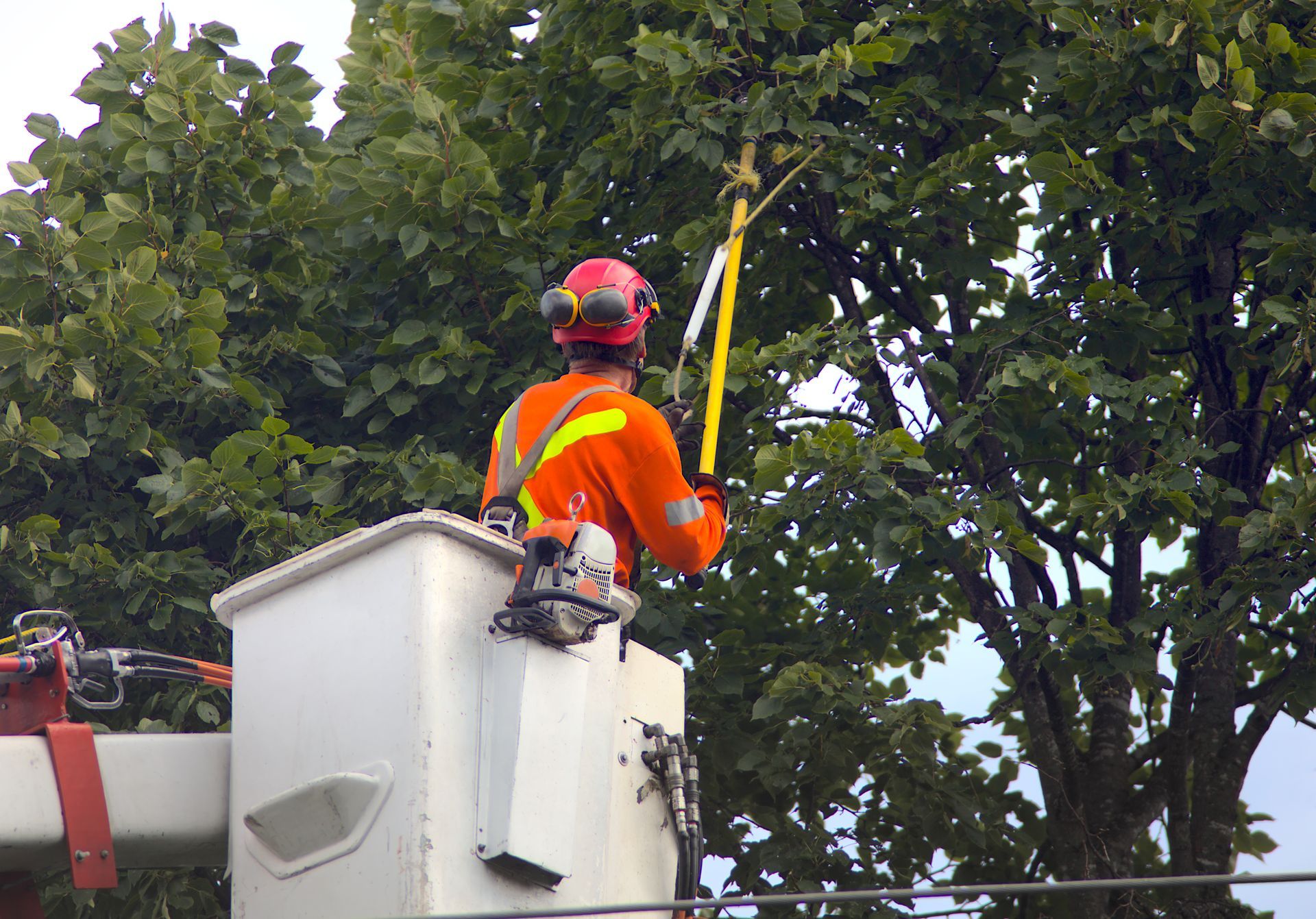
Before any cut is made, our crew walks the property to assess which branches need removing, which need shaping, and whether anything poses an immediate safety concern. Our licensed, fully insured team covers all of Fairfield County, so you know you're in good hands from the start.
We make directional cuts at the correct growth node, avoiding flush cuts and over-thinning that weaken trees long-term. Our crew works around structures, power lines, and landscaping throughout the job, so nothing on your property gets damaged in the process.
When the trimming is done, we collect every clipping, branch, and piece of debris and haul it off your property. We leave the job site clean before we go, every single time, no exceptions.
The Right Season for Tree Trimming in Connecticut
Connecticut's climate means trimming timing matters. The best time to trim most deciduous trees in Fairfield County is late winter through early spring, while the tree is dormant and disease risk is lowest. We schedule trimming year-round because each season has work that's right for it.
Late Winter and Early Spring Trimming
Dormant-season trimming from late February through early April is ideal for most deciduous trees in Connecticut. The absence of leaves makes branch structure clearly visible, cuts heal quickly as growth resumes, and the low temperatures reduce the risk of pest and fungal infection at the wound site.
Summer Trimming for Shape and Light
Summer trimming in June and July works well for corrective shaping and removing water sprouts or suckers. It's the right time to open up a dense canopy that's blocking light from a patio or garden. Avoid heavy pruning once summer heat peaks, as stress compounds on the tree.
Fall: What to Trim and What to Leave
Light cleanup and dead-wood removal are appropriate in early fall before leaf drop. Avoid major structural pruning in fall, as it stimulates new growth that won't harden off before Connecticut's first frost, leaving the tree vulnerable heading into winter.
Dormant-Season Crown Work
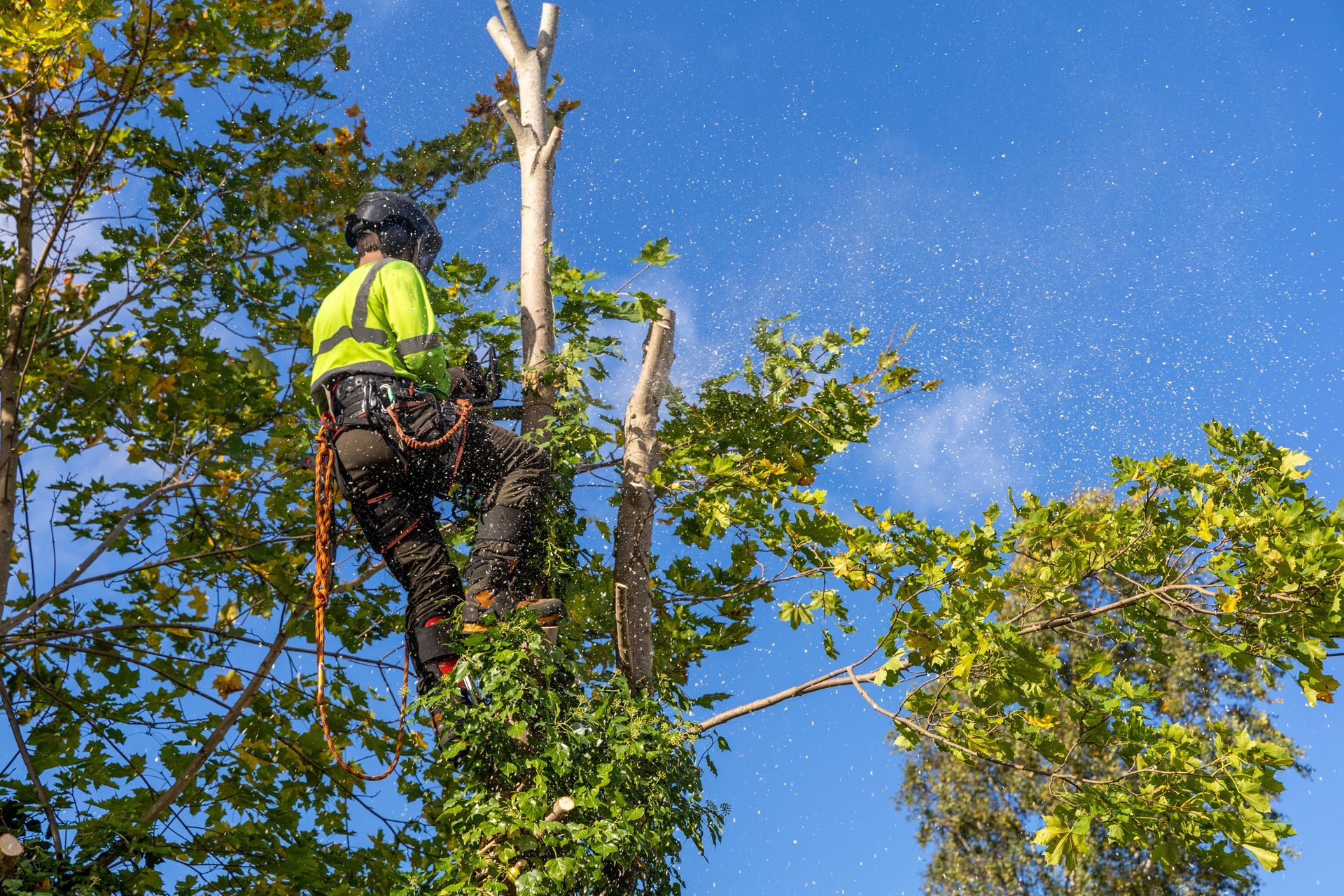
Once trees have fully dropped their leaves from late November through January, we can tackle crown thinning, structural shaping, and removal of crossing or rubbing branches. Dormant trimming in Fairfield County is often the fastest and most cost-effective window for larger jobs.
Tree Trimming Questions, Answered
These are the questions Fairfield County homeowners ask us most, including the voice-search phrasing we hear all the time. We keep the answers direct because your time matters.
When is the best time of year to trim trees in Connecticut?
Late winter to early spring, before new growth begins, is the best time for most deciduous trees in Connecticut. The dormant period reduces disease risk, healing is faster once growth resumes, and bare branches make structural problems easy to spot. We trim year-round based on each tree's needs.
How often should I have my trees trimmed?
Most residential trees in Fairfield County benefit from trimming every two to three years. Fast-growing species like silver maple or willow may need attention annually. Ornamental trees often need light shaping each season. We assess each tree individually and recommend a schedule that matches the species and growth rate.
What's the difference between tree trimming and tree pruning?
Trimming focuses on shaping the tree's outer canopy for aesthetics and clearance. Pruning targets specific branches that are dead, diseased, or structurally weak for the tree's long-term health. In practice, our crew combines both in a single visit, addressing appearance and tree health at the same time.
Does ArborPro clean up all the branches and debris after trimming?
Yes. Every ArborPro job includes full cleanup and removal of all clippings, cut branches, and debris before we leave your property. We haul everything away, so you won't be left with a pile of brush to deal with. Cleanup is always included in the quoted price, with no surprise add-ons.
Is tree trimming safe to do near power lines or my house?
Trees near power lines or structures require extra care and should only be trimmed by a licensed, insured crew with the right equipment. We handle trimming in tight spaces across Fairfield County regularly. Our crew is trained in directional cutting techniques that protect structures, fences, and utility infrastructure throughout the job.

Free Tree Trimming Estimates Across Fairfield County
ArborPro LLC is available six days a week. Call or text any time between 6:00 AM and 7:00 PM for a same-day response. We'll assess your trees, give you a straight quote, and schedule the job at your convenience. No pressure, no obligations.